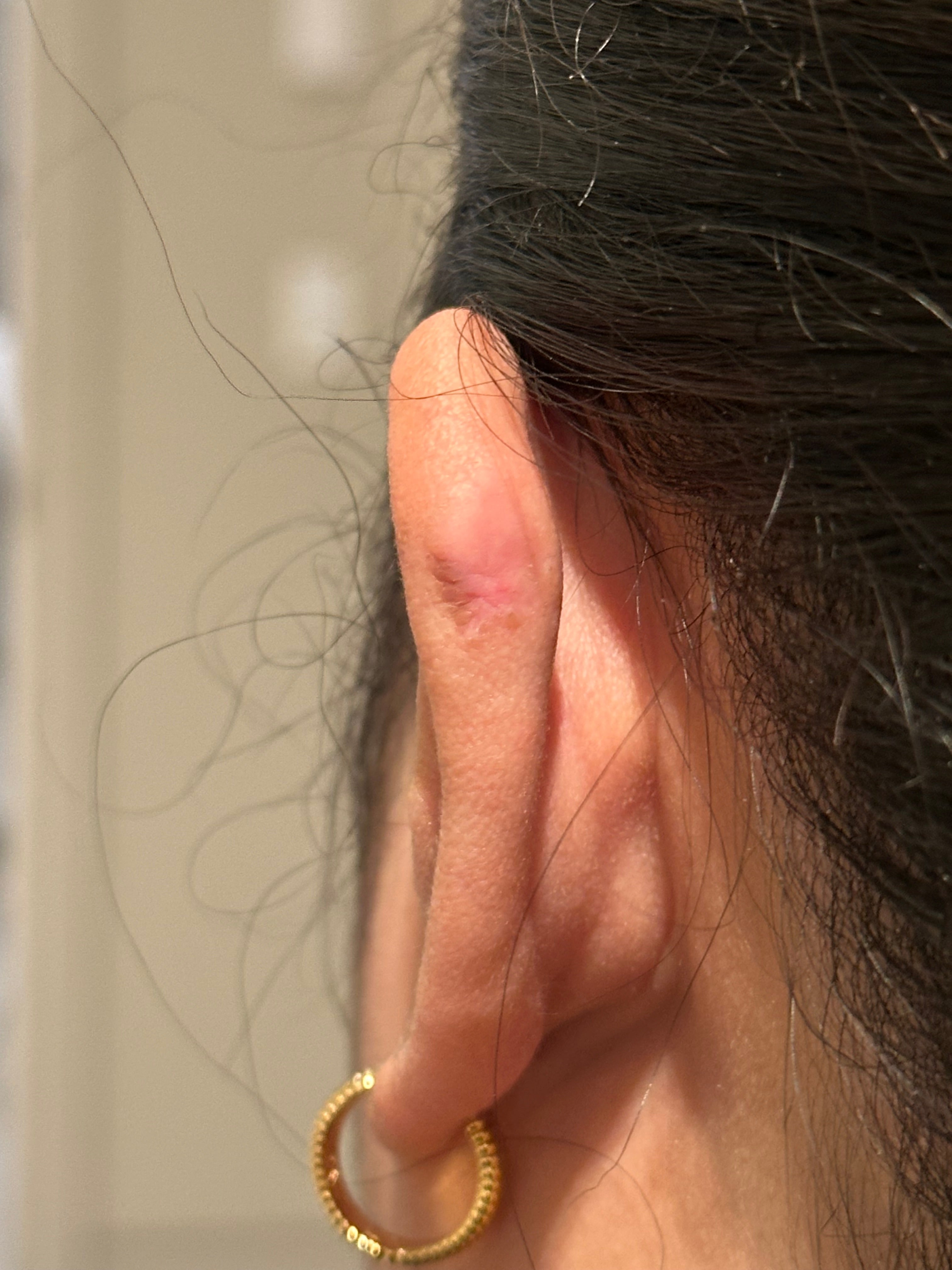
Understanding Hypertrophic Scars and Keloids After Piercing
Not every piercing bump is a keloid. Learn how to identify and care for hypertrophic scars, when to see a dermatologist, and how professional piercers help clients heal safely.
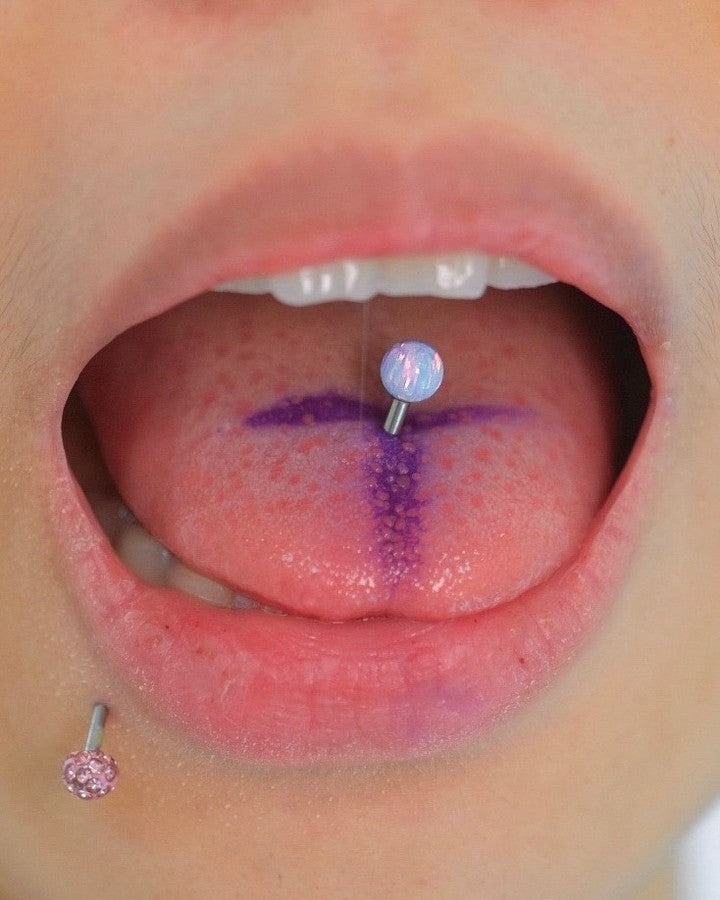
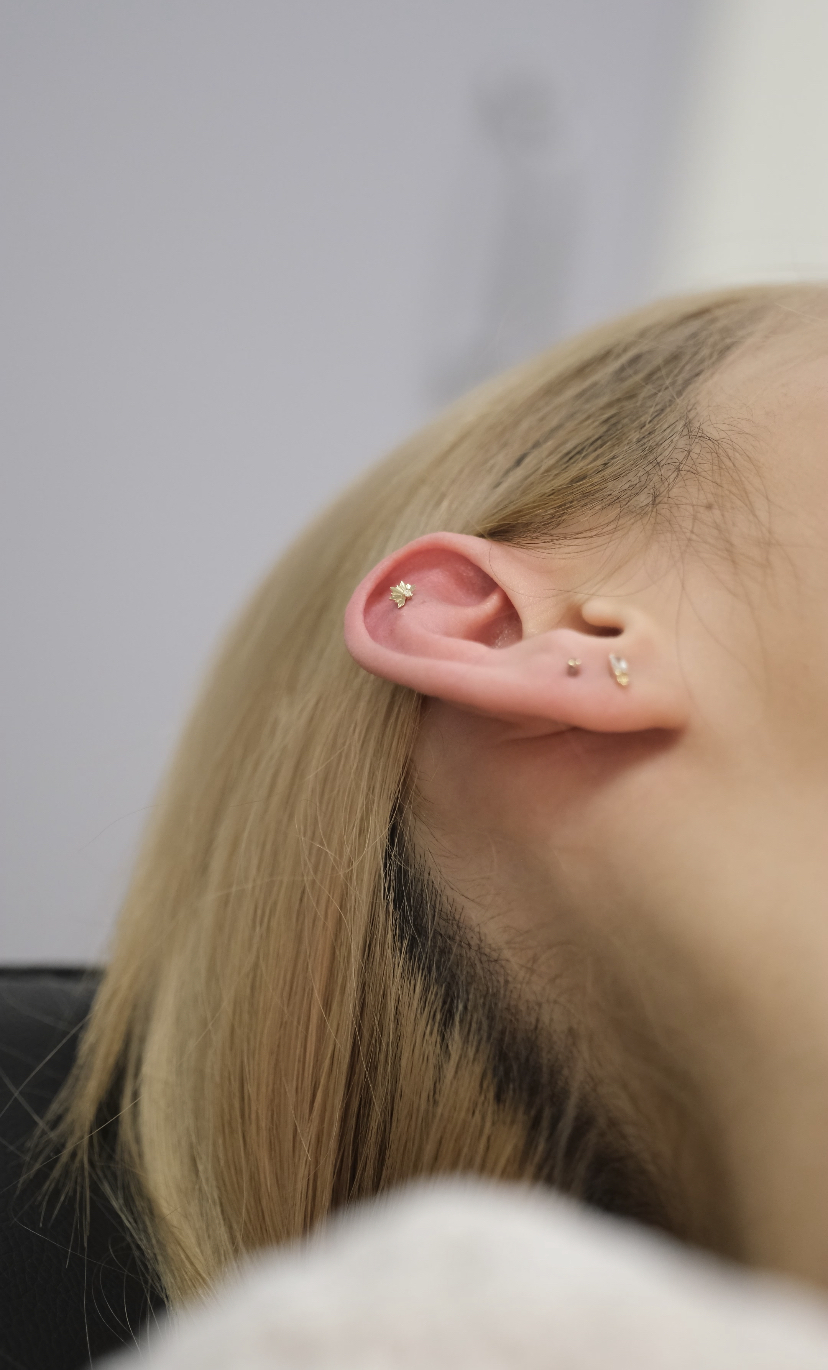
ASTM F136 titanium is the global standard for implant-grade body jewelry. Learn what makes it safe, how it compares to G23 titanium, and why it’s trusted in professional piercing.
All content © Yuffy Hong Piercing Lab Studio. Please credit and link back when sharing.
In 2014, a research team from Aalborg University in Denmark published a study that quietly connected science and piercing in a way most people had never seen before...
If you’ve noticed a small bump or firm raised scar forming after a healed piercing, you might be dealing with keloid scar tissue. Keloids are the skin’s way of “overhealing”—they grow beyond the original wound and can feel rubbery or thick. They’re not...
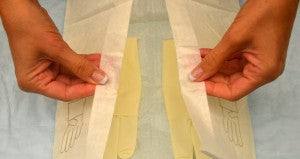
The One-Touch Rule is a principle used in medical and body-piercing environments to maintain aseptic technique. It means that every sterile instrument, piece of jewelry, or surface should be touched only once with a clean or sterile gloved hand. Once...