What Makes Body Piercing Jewelry Safe?
A Practical Look at ASTM F2999-19
When it comes to body piercing, jewelry is not just decoration. It becomes part of your body during the healing process. That is why material choice matters far more than most people realize.
ASTM F2999-19, officially titled Standard Consumer Safety Specification for Adult Jewelry, is a widely referenced safety standard for jewelry intended for people aged 13 and older. While the standard covers many types of adult jewelry, one section is especially important for piercers and clients alike: adult body piercing jewelry.
This article breaks down what the standard actually says, why it exists, and how it affects piercers, brands, and anyone getting a new piercing.
What Exactly Is Body Piercing Jewelry?
Body piercing jewelry refers to any jewelry designed to be placed into a new piercing or through a mucous membrane, such as the mouth or nose.
In simple terms, this is the jewelry used at the moment of piercing, not the fashion jewelry you swap in later once the area has healed.
This distinction matters a lot.
An ordinary earring worn in a healed earlobe is not considered body piercing jewelry unless it is specifically labeled for use in new piercings. Fresh piercings are open wounds. Anything placed inside them directly affects healing, comfort, and infection risk.
Body piercing jewelry includes items like:
-
Starter earrings for new ear piercings
-
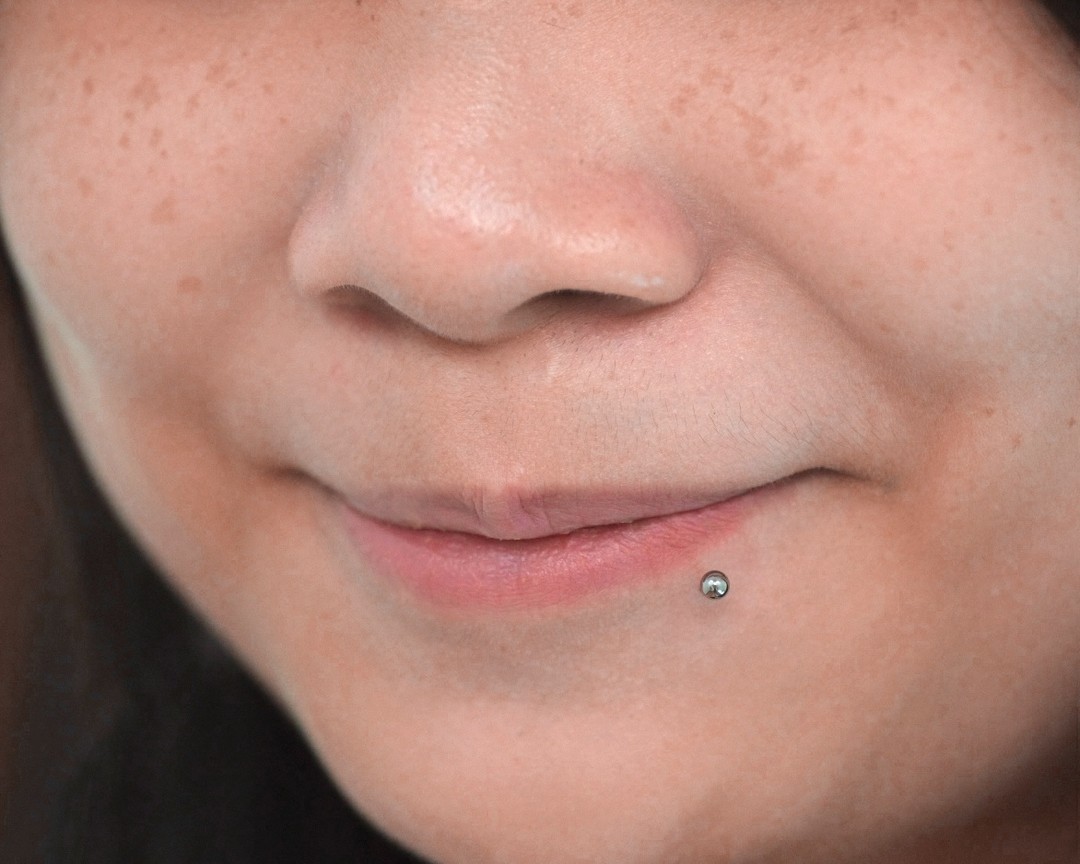
Tongue bars and lip jewelry
-
Navel jewelry
-
Eyebrow jewelry
-
Bone studs and other initial piercing posts
Because these pieces come into direct contact with tissue and sometimes blood, safety standards for them are much stricter than for everyday fashion jewelry.
Why ASTM F2999-19 Matters for Piercings
Over the years, many low cost jewelry products have been found to contain harmful metals like lead, cadmium, or high levels of nickel. Some caused allergic reactions. Others led to recalls or health warnings.
ASTM F2999-19 exists to prevent those risks by setting clear boundaries. It answers one key question:
What materials are actually safe to put into a fresh piercing?
The Core Rule for Adult Body Piercing Jewelry
ASTM F2999-19 is very clear on this point.
Body piercing jewelry must be made only from specific approved materials. No coatings. No mystery alloys. No exceptions.
According to Section 6 of the standard:
Body piercing jewelry shall be made exclusively of the materials listed in Table 3.
Approved Materials for Adult Body Piercing Jewelry
Only the following materials are allowed:
-
Surgical implant stainless steel
-
Surgical implant grade titanium
-
Niobium
-
Solid 14 karat or higher white or nickel free gold
-
Solid platinum
-
Dense, low porosity medical grade plastics such as Tygon or PTFE, as long as no lead is intentionally added
If jewelry is going into a new piercing, it must be 100 percent made from one of these materials.
This rule exists to remove guesswork and protect both clients and professionals.
Why These Materials Are Approved
Implant Grade Stainless Steel
This is not ordinary stainless steel. Implant grade stainless steel, such as 316LVM, is used in medical implants because it resists corrosion and does not easily release harmful elements. It is stable, durable, and well tolerated by the body when properly manufactured.
Implant Grade Titanium
Titanium is one of the most trusted materials in both medicine and professional piercing. It is lightweight, nickel free, and extremely biocompatible. For people with sensitive skin or metal allergies, titanium is often the safest option. It can also be anodized for color without affecting safety.
Niobium
Niobium has been used in piercing for decades. While it does not carry a formal implant grade label, it behaves similarly to titanium. It is stable, low allergenic, and does not corrode easily. Many piercers rely on niobium for clients who need an alternative to steel or titanium.
Solid Gold and Solid Platinum
Only solid precious metals are allowed. That means no plating and no gold filled jewelry.
Gold must be at least 14 karat, and white gold must be nickel free. Platinum is even more inert and resistant to reaction in the body. Plated jewelry is excluded because thin surface layers can wear off, exposing unsafe base metals during healing.
Medical Grade Plastics
Certain medical plastics like PTFE or Tygon are also approved. These materials are smooth, non porous, and chemically inert. They do not absorb fluids or trap bacteria, which makes them useful in special situations such as pregnancy or metal sensitivity. The standard requires that these plastics contain no intentionally added lead.
The Logic Behind the Standard
ASTM F2999-19 is built on real world behavior and scientific risk assessment.
Adults generally do not chew on jewelry or swallow it the way children might. Because of that, the adult standard allows slightly more flexibility in areas like cadmium content than children’s jewelry standards do. Even so, the limits are conservative and based on studies showing minimal metal migration under realistic conditions.
For nickel, the standard takes a different approach. Instead of banning it outright, ASTM requires honesty. If a brand claims a product is nickel free or suitable for sensitive skin, there must be real testing behind that claim. This protects consumers from misleading marketing while allowing adults to make informed choices.
The goal is balance. Reduce real risks without creating unnecessary barriers.
How This Differs from Children’s Jewelry Standards
ASTM also publishes a separate standard for children’s jewelry called ASTM F2923.
For body piercing jewelry, both standards agree on one crucial point:
anything placed in a fresh piercing must use the same high safety materials, regardless of age.
The differences appear in metal limits and allergy protection. Children’s standards are stricter because children are more likely to mouth or swallow jewelry and have more sensitive skin. Adult standards allow more flexibility but rely on labeling, transparency, and informed choice.
Why This Matters to You
For Piercers
Using jewelry that meets ASTM F2999-19 is part of professional responsibility. A fresh piercing is an open wound. Safe materials reduce complications, improve healing, and protect your reputation. Clear standards make it easier to choose correctly every time.
For Brands
Following ASTM standards builds trust. It reduces recall risk, supports honest marketing, and signals quality. It also helps level the playing field by discouraging unsafe low cost materials.
For Clients
If you are getting pierced, this standard gives you something concrete to ask about. What material is this made from? Is it implant grade? Is it solid or plated? Knowing that a piece follows ASTM guidelines means it meets a recognized safety baseline.
Final Thoughts
ASTM F2999-19 is not about limiting creativity or style. It is about setting a safety foundation so self expression does not come at the cost of health.
Piercing jewelry should support healing, not fight against it.
When professionals, brands, and clients all understand these standards, the entire industry becomes safer, more transparent, and more trustworthy.
