Piercer Education: Skill, Sterilization, and Responsibility
All content © Yuffy Hon, Piercing Lab Studio. Please credit and link back when sharing.
For me, piercing is not only about precision and aesthetics. It is also about knowledge, responsibility, and continuous learning. A professional piercer needs steady hands, but also a deep understanding of anatomy, sterilization, and client care. Every procedure is a mix of creativity and science, of calm focus and accountability.
As our industry keeps growing, education has become the foundation of safe and ethical practice. The more I learn, the more I can protect my clients and raise the standards of body art everywhere.
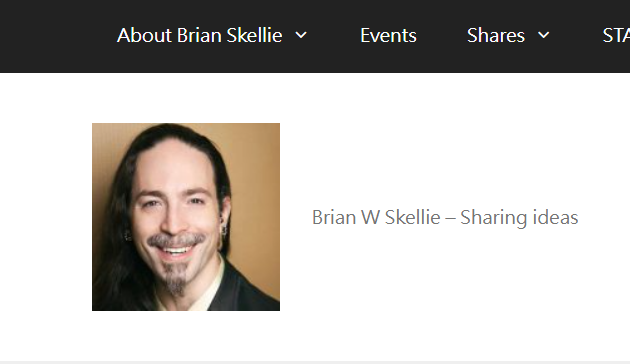
I never want to reach the point where I think I know enough. The best piercers I have met are the ones who keep studying, questioning, and refining their skills. I spend time reading and learning from industry leaders such as Brian Skellie’s brnskll.com and Statim USA, which share valuable knowledge about autoclave validation, medical standards, and sterilization processes.
Learning from these resources helps me understand not only how to perform a piercing, but also why certain methods work. It sharpens my critical thinking and keeps me grounded in science and safety rather than habit or assumption.
Skill Is Only Half the Job
Good technique is essential, but skill alone is not enough. My real responsibility begins before the needle ever touches the skin. I need to make sure that every tool, surface, and piece of jewelry that touches a client is completely sterile and safe.
In my studio, every reusable tool is cleaned, packaged, and sterilized in a validated autoclave. Each autoclave cycle is monitored with biological spore tests. Single-use items such as needles, gauze, and gloves are disposed of immediately after each client. Every step is documented to ensure accountability and to build trust.
These are not optional habits. They are the foundation of professional ethics. A clean environment and an informed piercer keep both clients and practitioners safe.
Clients trust me with their bodies and their health. That trust is earned, not assumed. I believe in explaining the process openly so clients understand what I do and why I do it. Whether I am talking about jewelry materials, sterilization procedures, or healing timelines, education is part of every conversation.
A great piercer is not only an artist but also a teacher and caretaker. By sharing knowledge, I help clients feel confident, relaxed, and respected. When people leave the studio knowing how to care for their piercing properly, that is real success.
Recommended Learning Resources
-
brnskll.com – Comprehensive resources on sterilization, Statim autoclaves, and evidence-based piercing practices by Brian Skellie.
-
statim.us – Official information on maintenance and validation of Statim autoclaves used in professional studios.
-
Association of Professional Piercers (APP) – Global education, standards, and health guidelines for safe body piercing.
Final Thought
Being a piercer is more than performing a service. It means carrying responsibility for every person who trusts me. When I keep learning, testing, and maintaining high standards, I honor that trust.
Education is not something I do once; it is a mindset. It keeps me growing, keeps my clients safe, and reminds me every day why I love this work.
